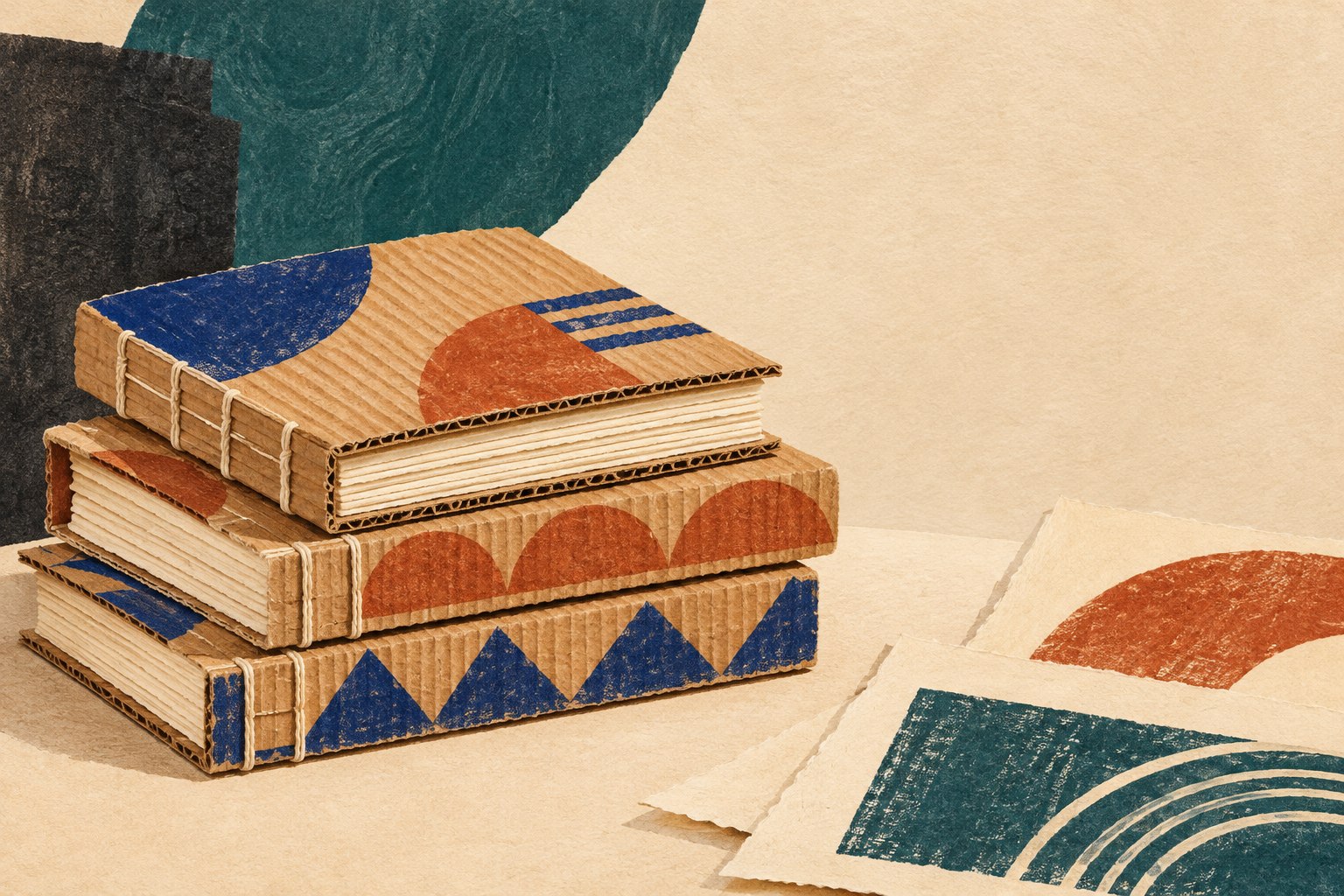
A report published by FFLCH-USP in October 2026 presents Ariadne Catarine dos Santos's research into cartonera publishers. These collectives produce books with handcrafted cardboard covers, bringing together literature, visual arts and community organisation. The movement began in Argentina and spread to other countries.
In Brazil, Dulcinéia Catadora, established in 2007, is part of this community. The report describes its relationship with women working in recycling and with CooperGlicério in São Paulo. The covers are made by hand, while the text pages are printed industrially. This combination shows how different processes can coexist within the same publishing project.
EDITORIAL PERSPECTIVE
Print Legacy Initiative Analysis
Print Legacy Initiative's reading is that the most important shift concerns the social role of the participants. Someone involved in collecting materials can also help create a cultural object. Assessing the project solely by the volume of cardboard reused would therefore be inadequate: authorship, pay, recognition and decisions about the work also matter.
A printing company interested in collaborating can contribute more than leftover materials. Planning small runs, advising on legibility, supporting printing and providing access to distribution channels can be useful when agreed with the collective. The partnership should preserve its aesthetic and editorial autonomy. Priorities need to come from those doing the work.
Connection to our eight themes
Editorial classification: indicates relevance to our mission, not certification of impact.
Publishing creates space for women working in recycling to participate.
Handmade books record voices and forms of cultural expression.
The initiative broadens participation in the production and circulation of literature.
Turning reflection into action
A collaboration can begin with a conversation about actual production and distribution needs, followed by a small project with explicit responsibilities and remuneration.
Original material
Original synthesis and analysis by Print Legacy Initiative, with attribution to the sources. This is neither a full republication nor an interview with the people responsible.
FFLCH-USP — From cardboard to USP's collections ↗8 October 2026 · www.fflch.usp.brJoin the conversation
How could your print expertise support a cultural initiative without replacing the voices of its participants?
CommentComments undergo editorial review before appearing on the site.